
Which Decaffeination Type Is Better For You?
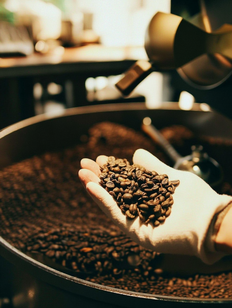
When people compare Swiss Water vs chemical decaf, they are usually comparing the decaffeination method, not the coffee itself. Kind Kick’s decaffeination method Swiss Water Process, is a water based, solvent free decaf process that uses hydration, a Green Coffee Extract, and carbon filters to remove caffeine while protecting origin flavour. Many drinkers choose it because it avoids chemical solvents and keeps the cup tasting like real coffee, especially for single origin decaf.
Chemical solvent decaf typically refers to methods that use solvents such as methylene chloride or ethyl acetate to remove caffeine, followed by steps designed to remove residues. In the US, the FDA limit for residual methylene chloride in decaffeinated roasted coffee is 10 parts per million. The sugar cane process usually uses ethyl acetate, often described as being derived from cane sugar, to remove caffeine and can produce a distinctive sweetness depending on the coffee. There is also CO2 decaffeination, which uses pressurised carbon dioxide to selectively remove caffeine. All these methods exist in regulated markets, but if your priority is solvent free decaf coffee, Swiss Water is the most straightforward match.